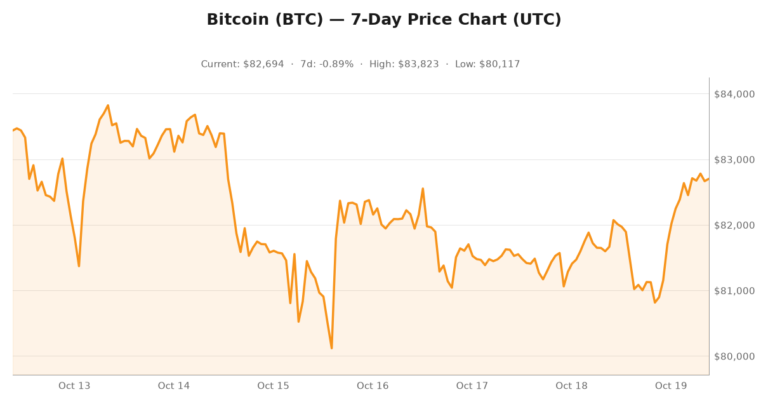
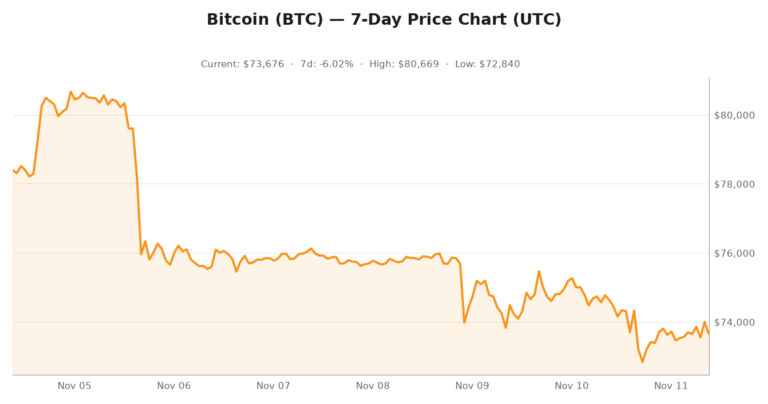
Bitcoin ETF flow data has become the most over-reported number in crypto. Every evening a fresh figure lands, the timeline divides into institutions are buying and the bid is gone, and price gets a narrative for a day before doing what it was going to do anyway.
That is not because flows are meaningless. It is because the number everyone quotes measures the wrong thing at the wrong time. A flow print tells you what authorised participants did yesterday. Price is set by what holders are willing to sell today.
Flows are a rear-view mirror
Spot ETF flow data is published after the close, aggregated from creation and redemption baskets. By the time it appears, the trades that produced it are finished and priced in. The next move comes from the next marginal seller, and that seller is rarely the fund.
Treating a flow print as a forecast is like driving with the mirror: it tells you where you have been with great precision and nothing about the road ahead.
The ETF changed the plumbing, not the physics
The US spot ETFs that launched in January 2024 did one durable thing: they turned bitcoin exposure into a ticker an adviser can hold in a model portfolio without a wallet, a custody arrangement, or a compliance exception. That is a distribution change, and distribution changes are slow, structural, and genuinely important.
What they did not do is change supply. A creation basket requires the fund to acquire spot bitcoin, so demand arrives against the same fixed issuance schedule as before. The April 2024 halving cut new supply to 3.125 coins per block. An ETF is an access channel, not a printing press.
Three things inflows actually do
- They remove float. Coins bought into a fund sit with a custodian and stop circulating. When the same coins are not for sale, the next buyer pays more. That is the mechanism that matters, and it is cumulative, not daily.
- They change who the marginal holder is. Advisers rebalance on schedules, which dampens drawdowns and also caps rallies, because an allocation band forces selling into strength.
- They legitimise the asset class, slowly. The interesting approvals are operational, not headline: platform sign-offs, model portfolio inclusions, custodian paperwork. Each one widens the pipe a little.
The basis trade nobody puts in the headline
A meaningful share of ETF demand is not directional. Buy the fund, short the futures, collect the spread. It looks like adoption in the flow data and behaves like a carry trade. It unwinds when the spread compresses, and when it unwinds the flow print turns negative without anyone changing their view on bitcoin.
So a record inflow week can be a leverage story and a redemptions week can be a spread closing. Neither tells a long-term holder what to do.
What actually sets the price
- Net new demand against available float. Not gross flows. Coins that move to a custodian and stay there.
- Leverage. Funding rates and open interest decide how violent a move becomes. Liquidations are the loudest price signal in this market and they are invisible in flow data.
- Liquidity and the dollar. Bitcoin trades like the longest-duration asset on the board. When real yields rise and liquidity tightens, the marginal buyer steps back.
- Miner economics. After the halving, miners sell most of what they mine. That is a predictable, price-insensitive supply stream and it matters at the margin.
- Positioning. Who is long and how much they can lose. This is what turns a 3% pullback into a 12% one.
What the tape shows that flows do not
Watch three things together: spot volume during US hours, the premium or discount on the fund against net asset value, and the gap between perpetual funding and the futures curve. A healthy bid shows up as spot leading, NAV premium flat to slightly positive, and funding positive but not euphoric. When the fund trades at a discount while price rises, the buying is coming from somewhere else, and that somewhere is usually leveraged.
What would change this view
If flows started leading price persistently, with the fund bidding at a premium into weakness and that premium holding for weeks, the flow print would deserve to be a trigger. It has not worked that way yet. Flows have been a confirmation that arrives late and a narrative that arrives loud.
How to read the next flow print
Ask three questions in order. Is this new money or a rotation out of another product? Is it directional or carry? And did the coins actually leave the market? Two out of three is noise. Only the third compounds.
Flows are a useful confirmation and a poor trigger. The investors who compound in this asset are not refreshing a dashboard at 4pm. They sized positions so that a 30% drawdown never forced a decision, and then they let the float shrink without needing to be told about it every evening.
Sources: CoinDesk, CoinGecko, Bloomberg