Bitcoin Mining After the Halving: A 2026 Reality Check

Most bitcoin mining coverage in late 2026 sounds like a funeral march. Block rewards are half what they were in 2023, transaction fees have not bailed the industry out the way many predicted, and several publicly traded miners have written down nine-figure inventories in the last four quarters. The narrative is so grim that retail has nearly forgotten the sector exists. That framing, though, misses the more interesting story. The post-halving network is not collapsing. It is quietly consolidating into a smaller, more professional, and more energy-disciplined industry than the one that existed before the April 2024 halving. Anyone still evaluating the space as a speculative side hustle is looking at the wrong chart.
The numbers tell a tighter story than the headlines. Network hashrate, which miners control by plugging in more machines, climbed steadily through the first three quarters of 2026 despite the post-halving reward cut. Difficulty adjustments over the same stretch were the highest in absolute terms in bitcoin mining history. Yes, several operations throttled older rigs or shut down entirely. The ones that survived did so by locking in cheap power, deploying next-generation ASICs, and treating curtailment as a feature rather than a failure. The survivors of this bitcoin mining cycle are running closer to a power-trading business than a crypto one.
What actually changed at the 2024 halving
The April 2024 halving cut the per-block reward from 6.25 BTC to 3.125 BTC. That single change reduced gross miner revenue by 50 percent before fees. For two years beforehand, the consensus among analysts was that fees would close the gap. They have not. Average fee revenue per block in 2026 sits well below what most pre-halving projections assumed, and the gap is being filled by something else entirely: operational leverage.
Three structural shifts have defined this bitcoin mining cycle:
- Energy-first site selection. New builds are clustered around stranded or curtailable power in Texas, Paraguay, Ethiopia, and Norway. Greenfield sites in ordinary grid regions are no longer penciling out.
- Fleet refresh to sub-20 J/TH machines. Anything above 25 J/TH is being retired or mothballed. The hashrate gains on the network are almost entirely a fleet-composition story, not a “more machines” story.
- Hedge layering. The remaining public miners have substantially longer-dated power hedges, and most now carry at least partial BTC-denominated hedges against near-term price drawdowns.
These shifts would have happened eventually. The halving simply forced the timeline. Anyone who survived 2024 to 2026 has been through a forced Darwinian moment in the industry that no amount of analyst optimism could replicate.
The hashrate paradox
Look at the hashrate chart and the price chart side by side. Hashrate has trended up through most of 2026 even during drawdowns in BTC price. That looks like irrational behavior until you accept one fact: miners are running increasingly sophisticated energy arbitrage. A miner with a flexible power purchase agreement will power down ASICs when grid prices spike, sell that flexibility back to the grid, and then come back online when prices fall. They earn revenue whether the rigs are hashing or not.
According to data published by the Cambridge Bitcoin Electricity Consumption Index, the network’s estimated annual electricity consumption has actually plateaued rather than ballooned, despite hashrate growth. The story is not “the network uses more energy.” The story is “the network uses the same energy, more cleverly, to produce more hashrate.” That distinction matters for regulators and ESG-focused allocators who have been the loudest critics of the sector for the last five years.
What the difficulty adjustments are telling us
Network difficulty is recalibrated every 2,016 blocks, roughly every two weeks. In 2026, the adjustments have been unusually lopsided. Several adjustments in Q2 and Q3 were the largest positive in the sector’s history, followed by mild retreats. That oscillation is the signature of a network where large fleets are coming online in batches while marginal operators come and go.
For anyone building a thesis around bitcoin mining stocks, the implication is direct:
- The barrier to entry for new operators is now mostly capital, not technology. The remaining moat is power.
- Margins will compress further before they stabilize. We are not at the floor yet.
- The next consolidation wave is more likely to be M&A among the surviving public miners than bankruptcy-driven asset sales.
What it means for the rest of the market
Miners are net sellers of BTC by design. They have to be: the entire business model is converting energy and hardware into bitcoin, then selling enough to cover operating costs. When miner revenues compress, two things happen. First, miner sell pressure on spot exchanges eases. Second, the survivors can hold more BTC per unit of hashpower, which historically has been a constructive setup for price.
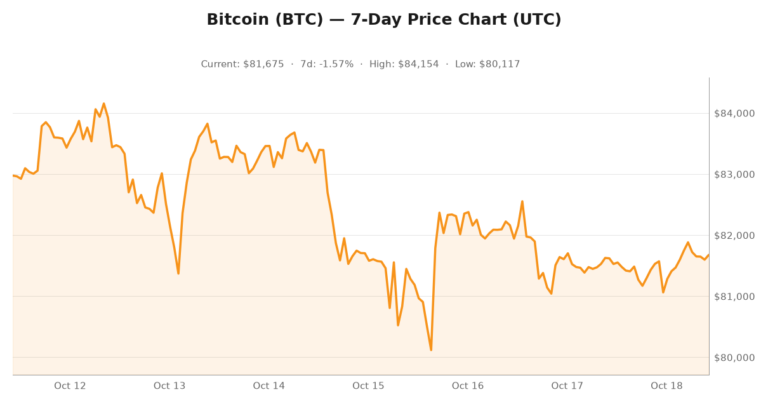
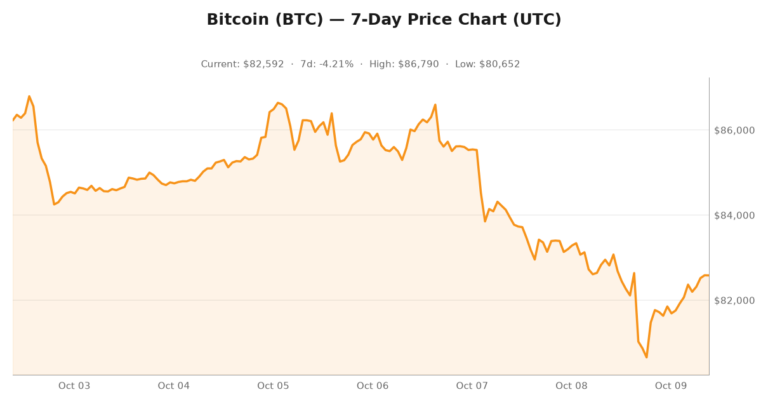
That is the contrarian case in late 2026. The industry has been compressed to a smaller, leaner base. The machines on the network are more efficient than they were two years ago. The dollar cost of producing one BTC has fallen through most of 2026 even as the dollar price of BTC has done nothing in particular. When the next leg of the cycle arrives, the people still standing will be the ones selling into it.
The honest assessment
If you entered bitcoin mining in 2021 hoping for a quick cycle trade, you already know how that ended. If you entered in 2024 betting on halving-driven scarcity, you have learned that halving is a one-time supply shock, not a perpetual price engine. The remaining opportunity in bitcoin mining belongs to operators, not traders. The companies that still exist at the end of 2026 will look more like merchant power producers than the GPU-fleets-turned-pools that defined the 2017 era.
For investors, the takeaway is straightforward: stop looking at the sector as a leveraged BTC play. Start pricing it as a power-and-infrastructure business with a BTC-optionality overlay. The halving did not kill the industry. It just evicted the tourists. The professionals left in the room in October 2026 are running a fundamentally different business than the one that existed two years ago, and the network is stronger for it.
For a deeper breakdown of network economics and the latest mining-pool distribution data, the CoinGecko Bitcoin network page maintains a current snapshot of hashrate and difficulty, and the broader research team at CoinDesk tracks the public miners on a weekly basis.