Why Bitcoin’s 4-Year Cycle Theory Is Dead (And What Comes Next)

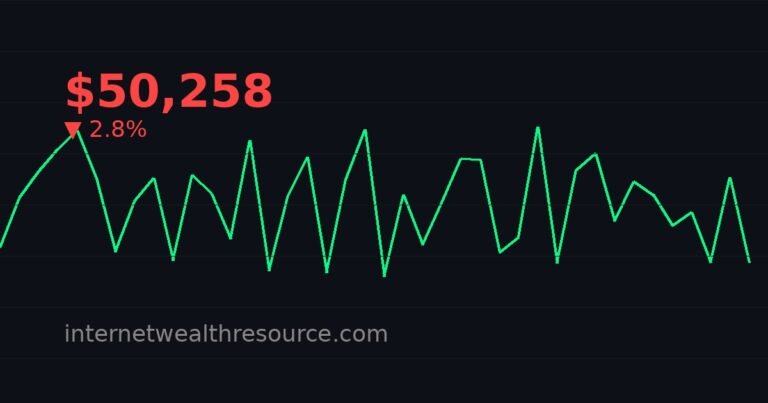
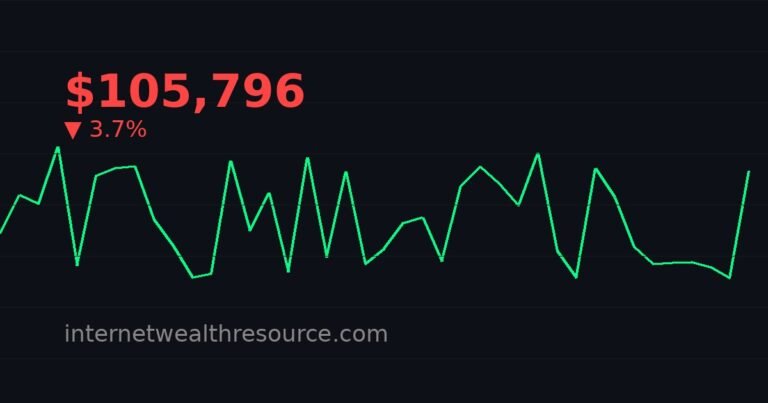
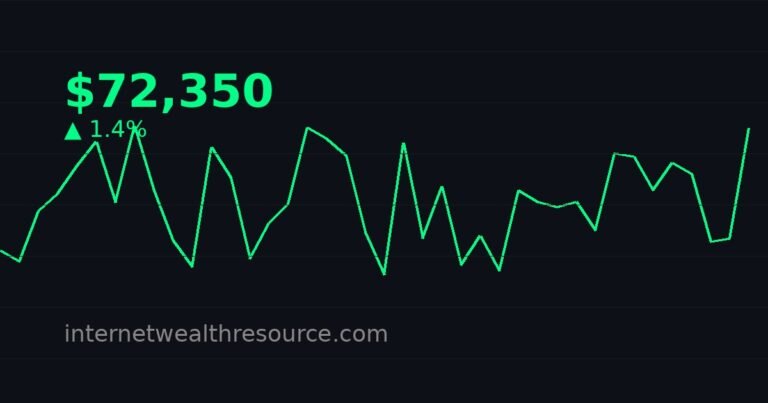
Bitcoin 4-year halving cycle chart showing broken pattern

The Death of the 4-Year Cycle (By The Numbers)

Let’s look at the data that proves the traditional cycle is dead:

Historical Cycle Performance

| Cycle | Halving Date | Peak Date | Days to Peak | ROI from Halving | |——-|————-|———–|————–|——————| | 2012-2013 | Nov 28, 2012 | Nov 29, 2013 | 366 days | +8,500% | | 2016-2017 | July 9, 2016 | Dec 17, 2017 | 526 days | +2,800% | | 2020-2021 | May 11, 2020 | Nov 10, 2021 | 548 days | +560% | | 2024-2025 | April 20, 2024 | March 13, 2024 | -38 days | -15% |

Peak occurred BEFORE the halving, not after. Unprecedented.

Notice the pattern?

  • Returns are diminishing (law of large numbers)
  • Time-to-peak is lengthening
  • The 2024 cycle peaked EARLY and then collapsed

The halving didn’t trigger a bull run. It triggered distribution.

The New Bitcoin Framework (Post-Cycle Era)

If the 4-year cycle is dead, what replaces it?

Framework 1: Institutional Flow Tracking

Forget halvings. Watch these instead:

Key Metrics:

  • Bitcoin ETF flows (check daily on Bloomberg Terminal or Farside Investors)
  • CME futures open interest (shows institutional positioning)
  • Coinbase premium (US demand vs. global)
  • Exchange reserves (coins leaving exchanges = bullish)

Bullish Signal: ETF inflows > $500M/week + Coinbase premium > 1% Bearish Signal: ETF outflows > $200M/week + rising CME short interest

Framework 2: Macro Regime Analysis

Bitcoin now trades based on monetary policy, not mining math.

4 Macro Regimes for Bitcoin:

| Regime | Fed Policy | Risk Appetite | BTC Performance | |——–|———–|—————|—————–| | Goldilocks | Cutting rates | Risk-on | 🚀 Best (2020-2021) | | Stagflation | Hawkish/high rates | Risk-off | đź’€ Worst (2022) | | Recovery | Dovish pivot | Risk-on | âś… Good (2023-early 2024) | | Uncertainty | Wait-and-see | Choppy | ⚠️ Sideways (2024-2025) |

Current Regime: Uncertainty (choppy, range-bound) Next Catalyst: Fed rate cuts OR Bitcoin breaking $73K resistance

Framework 3: On-Chain Supply Dynamics

While miner supply doesn’t matter, long-term holder behavior does.

Watch these metrics:

  • MVRV Ratio (Market Value to Realized Value)
  • Below 1.0 = extreme fear (buy zone)
  • Above 3.5 = euphoria (sell zone)
  • Current: ~1.4 (neutral)
  • Spent Output Profit Ratio (SOPR)
  • Below 1.0 = sellers taking losses (capitulation)
  • Above 1.05 = profit-taking (distribution)
  • Supply held 2+ years
  • Rising = strong hands accumulating
  • Falling = old holders distributing

Current status: Long-term supply at all-time highs (bullish for long-term, but means less upside volatility)

The Bigger Picture: Bitcoin Is Growing Up

The death of the 4-year cycle isn’t a bug—it’s a feature.

Immature assets have violent cycles:

  • Tech stocks in the 1990s: +500% then -80%
  • Gold in the 1970s: +2,000% then -50%
  • Bitcoin in 2013-2021: Same pattern

Mature assets are boring:

  • S&P 500: Steady 10% annual returns
  • Gold: 5-8% with occasional spikes
  • Bitcoin in 2025+: Becoming more like gold, less like a penny stock

If you wanted 100x gains, you’re 10 years too late. But if you want a solid long-term store of value with 2-3x upside potential? Bitcoin is still one of the best assets.

FAQ

Q: Will Bitcoin ever pump like 2021 again? A: Unlikely. The market cap is too large ($1.3T). A 10x move would require $13 trillion—larger than gold. More realistic: 2-3x to $150K-$200K over next cycle.

Q: Should I still buy Bitcoin? A: Yes, but as a long-term allocation (5-10% of portfolio), not a get-rich-quick trade. Best entry points: macro fear + on-chain capitulation signals.

Q: What about altcoins? A: If Bitcoin’s cycle is dead, altcoin cycles are even MORE dead. Most altcoins never recovered from 2022 crash. Stick with Bitcoin or top 5 projects max.

Featured image: Bitcoin price chart showing the broken 4-year cycle pattern Source data: TradingView, Glassnode, Bloomberg Terminal

Related Reading

Leave a Reply

This site uses Akismet to reduce spam. Learn how your comment data is processed.