Bitcoin Regulation Update — Key Trends and Analysis for February 2026


Bitcoin Regulation Update — Key Trends and Analysis for February 2026
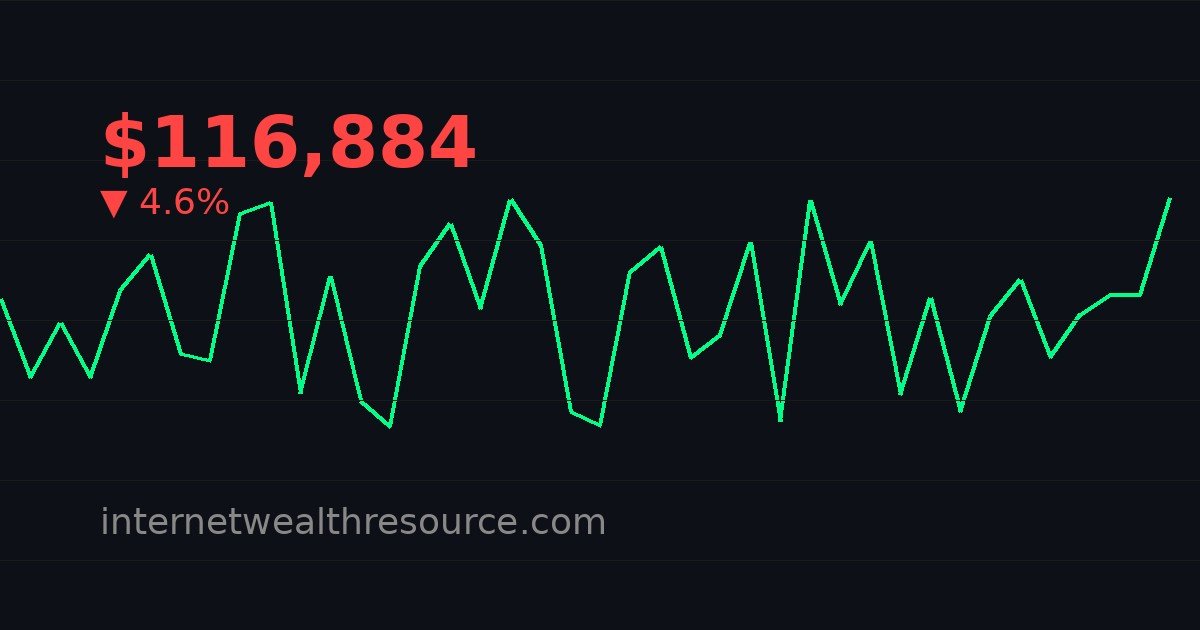
As February 2026 draws to a close, the global Bitcoin landscape is navigating a complex interplay of institutional adoption, price volatility, and a rapidly maturing regulatory environment. With Bitcoin currently trading at $66,095, reflecting a 2.94% dip over 24 hours against a robust daily volume of nearly $47 billion, the market’s movements are increasingly tethered to policy developments as much as to macroeconomic forces. This month has been pivotal, marking a shift from theoretical debates to concrete, enforceable frameworks that are reshaping how institutions and retail investors interact with the world’s premier cryptocurrency. This analysis delves into the key trends defining Bitcoin regulation this month and what they mean for the future of digital asset investment.

The Global Regulatory Divergence: A Tale of Two Philosophies

The most striking trend in February 2026 is the clear divergence in regulatory approaches between major economic blocs. The United States and the European Union are now on distinctly different paths, creating a fragmented but clarifying global landscape.

The U.S.: Clarity Through Enforcement

In the U.S., the long-awaited comprehensive legislation remains stalled in Congress. Instead, regulatory clarity is being forged through high-profile enforcement actions and court rulings. The SEC’s recent settlement with a major spot Bitcoin ETF issuer over compliance controls, while not challenging the ETF’s existence, sent a clear message: the era of “qualified approval” is over, and operational rigor is non-negotiable. Concurrently, a key appellate court decision reinforced that secondary market sales of Bitcoin do not constitute securities transactions, providing a significant boost to exchange operators and institutional traders. This “regulation by litigation” is creating a de facto rulebook, albeit one that demands expensive legal navigation.

The EU & UK: The MiCA Era Begins in Earnest

Contrasting with the U.S., the European Union’s Markets in Crypto-Assets (MiCA) regime is now fully operational for major provisions. This month, we’ve seen the first major licensed crypto asset service providers (CASPs) under MiCA, offering a unified passport across the EU. The UK, post-Brexit, is pushing its own ambitious framework focused on becoming a global cryptoasset technology hub, with new rules for fiat-backed stablecoins and trading venues taking effect. This structured, legislative approach provides predictability but also imposes significant compliance costs, potentially stifacing innovation from smaller players.

Market Impact: Institutional Inflows Meet Regulatory Scrutiny

The current market data—a $1.32 trillion market cap facing a minor correction—reflects this regulatory duality. On one hand, the institutional pipes are wide open. The daily net inflows into U.S. spot Bitcoin ETFs, while volatile, have shown remarkable resilience, indicating that regulated products are successfully channeling traditional finance capital into Bitcoin. On the other hand, the 24-hour decline of 2.94% can be partially attributed to profit-taking following news of stricter Anti-Money Laundering (AML) “travel rule” enforcement across G20 nations, requiring enhanced identity verification for all sizable transactions.

  • Bullish Perspective: Regulatory frameworks are legitimizing Bitcoin as an asset class, unlocking trillions in institutional capital. The dip is a healthy correction in a long-term uptrend fueled by this new demand.
  • Bearish Perspective: Increasing compliance burdens are centralizing Bitcoin’s ecosystem around a few large, regulated entities, betraying its decentralized ethos. Furthermore, stringent rules could dampen retail participation and on-chain innovation, potentially capping growth.

Actionable Insights for Investors in a Regulated Market

Navigating this new environment requires a updated playbook. Here are key considerations for investors as of February 2026:

  • Prioritize Compliance-On-Chain Assets: The premium for “clean” Bitcoin—coins with a verifiable history from regulated entities—is growing. Consider sourcing holdings through licensed exchanges and regulated ETFs to avoid future liquidity issues.
  • Diversify Geographically: With regulatory divergence, consider allocating a portion of your portfolio to entities operating under clear jurisdictions like the EU or UK, to mitigate single-region policy risk.
  • Stay Informed on Tax Reporting: Automated tax reporting tools are now essential. Most major jurisdictions now require exchanges and funds to issue detailed gain/loss statements; ensure your chosen platform provides this.
  • Monitor Custody Solutions: The regulatory focus on custody is intense. Whether using a regulated third-party custodian or a qualified self-custody solution, ensure your method meets emerging standards to protect your assets and their future liquidity.

The Rise of Sovereign Digital Asset Strategies

Beyond financial regulation, February 2026 has highlighted a geopolitical trend: nations are formalizing national Bitcoin and digital asset strategies. Several countries, including a notable G7 member, have announced treasury Bitcoin holdings as a strategic reserve asset, akin to gold. This state-level adoption is the most significant development in Bitcoin regulation and monetary policy overlap. It creates a powerful, non-commercial demand driver but also introduces new risks, as Bitcoin becomes a potential tool in geopolitical economic strategy, subject to capital controls and sanctions debates.

Looking Ahead: The Next Frontiers in Bitcoin Regulation

The regulatory conversation is already moving beyond basic licensing and AML. Key frontiers for the remainder of 2026 include:

  • DeFi and Smart Contract Liability: Regulators are grappling with how to apply existing frameworks to decentralized protocols. Expect guidance or enforcement actions targeting the points of centralization (front-ends, developers, governance token holders).
  • Environmental, Social, and Governance (ESG) Reporting: Mandatory disclosure of energy sourcing and consumption for Bitcoin mining and trading operations is gaining traction, especially in Europe.
  • Interoperability and Cross-Chain Rules: As the Bitcoin ecosystem expands with layer-2s and sidechains, rules governing asset transfers between these layers will become critical.

Conclusion: Navigating the New Equilibrium

The landscape of Bitcoin regulation in February 2026 is no longer about whether it will be regulated, but how. The market’s current consolidation around the $66,000 level reflects an industry digesting this new reality. The volatility induced by regulatory news is likely to continue, but within an increasingly defined corridor. For investors, the key takeaway is that the wild west era is conclusively over. The future belongs to those who can skillfully navigate a world where Bitcoin’s value proposition is simultaneously validated and constrained by the very traditional systems it once sought to bypass. Success will require a dual focus: unwavering conviction in Bitcoin’s long-term technological thesis, paired with meticulous attention to the evolving rules of the global financial game. The path forward is one of regulated innovation, and the market is pricing in this new equilibrium one headline at a time.


\n\n

Related: About Us | Contact

\n

Sources: CoinDesk, CoinGecko, Bloomberg

Similar Posts