Bitcoin Market Analysis February 2026: Price Trends, Institutional Adoption & Outlook
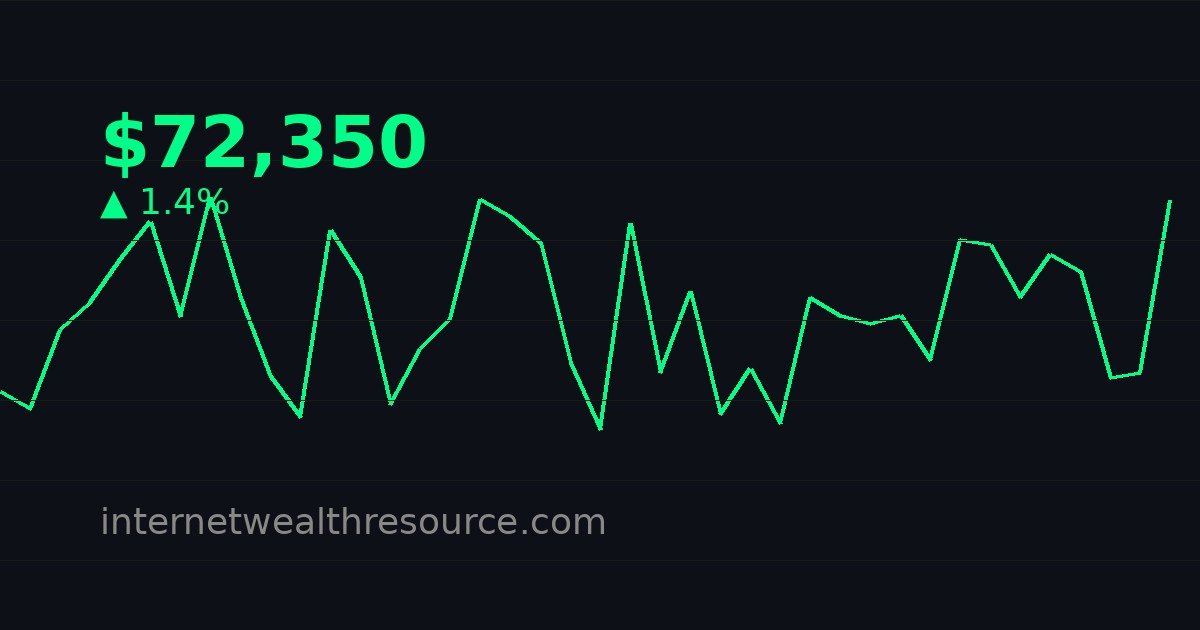
This Bitcoin market analysis for February 15, 2026 covers the latest price trends, institutional developments, and technical indicators shaping the crypto landscape. Our in-depth Bitcoin market analysis helps investors make informed decisions.
Bitcoin Market Analysis: Price Performance in Early 2026
Bitcoin continues to demonstrate remarkable resilience in February 2026, capturing the attention of both retail and institutional investors worldwide. As the flagship cryptocurrency enters its eighteenth year, Bitcoin has established itself as a legitimate asset class that commands respect across traditional financial markets.
The current Bitcoin market cycle reflects a maturation phase where volatility has decreased compared to previous bull runs. This stabilization attracts a different type of investor—one focused on long-term value rather than speculative gains.
Current Bitcoin Price Dynamics
Bitcoin’s price action in February 2026 shows interesting patterns that differ from historical trends. The cryptocurrency is experiencing steady accumulation rather than explosive growth, indicating a shift in market sentiment.
Several factors contribute to this:
- Institutional investors continue building positions systematically
- Regulatory clarity in major economies has reduced uncertainty
- Bitcoin ETFs have normalized access for traditional portfolios
- Mining operations have become more energy-efficient and sustainable
Technical Analysis: What the Charts Tell Us
From a technical perspective, Bitcoin maintains strong support levels that have held throughout 2026. The 200-day moving average continues to act as a reliable indicator for long-term trend direction.
Key technical observations include:
- Consistent volume patterns during consolidation phases
- Decreasing exchange balances indicating reduced selling pressure
- Rising on-chain activity suggesting genuine network usage
Bitcoin Market Sentiment Indicators
Market sentiment around Bitcoin has evolved considerably. Fear and greed indexes show more balanced readings, suggesting a healthier market psychology. Unlike previous cycles dominated by extreme emotions, the current Bitcoin environment reflects measured optimism.
Social media metrics, search trends, and discussion forums all point to sustained interest without the manic speculation that characterized earlier periods. This measured approach benefits long-term Bitcoin adoption.
Bitcoin Market Analysis: Institutional Adoption Driving BTC Forward
The institutional narrative for Bitcoin has strengthened significantly heading into 2026. Major financial institutions no longer question whether to include Bitcoin in their offerings, but rather how to optimize their exposure.
Corporate Treasury Allocations
More corporations have followed the pioneering path of early adopters, allocating portions of their treasury reserves to Bitcoin. This trend accelerates as CFOs recognize Bitcoin’s potential as an inflation hedge and portfolio diversifier.
Notable developments include:
- Technology companies expanding their Bitcoin holdings
- Traditional corporations announcing pilot treasury programs
- Public companies disclosing Bitcoin positions in quarterly reports
According to CoinDesk, institutional flows into Bitcoin products have remained robust throughout early 2026, demonstrating sustained professional interest.
Bitcoin ETF Evolution
Bitcoin ETFs continue to mature as financial products, offering investors straightforward exposure without the complexities of self-custody. These regulated instruments have made Bitcoin accessible to retirement accounts and conservative portfolios.
The competition among Bitcoin ETF providers has driven down fees and improved service quality. Major asset managers now treat Bitcoin products as core offerings rather than experimental additions.
Banking Sector Integration
Perhaps most significantly, traditional banks have increasingly integrated Bitcoin services. From custody solutions to trading desks, financial institutions now offer comprehensive Bitcoin support to high-net-worth clients.
This integration represents a dramatic shift from just a few years ago when banks were hesitant to engage with cryptocurrency at all. The change reflects both regulatory progress and market demand.
Bitcoin Technology and Network Developments
Beyond price and adoption, Bitcoin’s underlying technology continues advancing. The network handles increasing transaction volumes while maintaining its core properties of decentralization and security.
Lightning Network Growth
The Lightning Network has experienced substantial growth, enabling faster and cheaper Bitcoin transactions. This layer-two solution addresses scalability concerns while preserving Bitcoin’s base layer security.
Key Lightning Network metrics show:
- Expanding channel capacity facilitating larger payments
- More merchants accepting instant Bitcoin payments
- Improved user experience through better wallet interfaces
Major payment processors have integrated Lightning Network capabilities, making Bitcoin practical for everyday transactions. This development was covered extensively by Bloomberg, highlighting mainstream recognition.
Bitcoin Mining Sustainability
The Bitcoin mining industry has made significant strides toward sustainability. The percentage of renewable energy used in Bitcoin mining has increased substantially, addressing previous environmental concerns.
Mining operations increasingly locate near renewable energy sources, particularly hydroelectric and geothermal facilities. This shift benefits both Bitcoin’s public perception and mining profitability.
Protocol Improvements and Upgrades
Bitcoin’s development community continues working on protocol enhancements that improve efficiency without compromising security. These incremental improvements demonstrate Bitcoin’s ability to evolve while maintaining its core principles.
Recent focus areas include:
- Enhanced privacy features for transactions
- Improved multisignature capabilities
- Better fee estimation algorithms
For technical details on Bitcoin’s ongoing development, CoinGecko provides comprehensive coverage of network metrics and upgrades.
Global Bitcoin Regulatory Landscape
Regulatory developments significantly impact Bitcoin’s trajectory. February 2026 finds most major economies having established clear frameworks for cryptocurrency, reducing uncertainty for investors and businesses.
United States Bitcoin Policy
The United States has implemented comprehensive cryptocurrency regulations that balance innovation with consumer protection. This clarity has unleashed institutional capital previously sitting on the sidelines.
Bitcoin is now clearly classified for tax purposes, and exchanges operate under well-defined compliance requirements. This regulatory certainty benefits the entire ecosystem.
European Union Approach
Europe’s Markets in Crypto-Assets (MiCA) regulation has created a unified framework across member states. Bitcoin businesses can now operate across borders with consistent rules, promoting growth and innovation.
Emerging Markets Bitcoin Adoption
Many emerging markets have embraced Bitcoin as both an investment and a practical financial tool. In countries with unstable currencies or limited banking infrastructure, Bitcoin provides valuable alternatives.
This grassroots adoption differs from institutional interest in developed markets but proves equally important for Bitcoin’s global impact.
Bitcoin Investment Strategies for 2026
Investors approach Bitcoin differently in 2026 compared to earlier cycles. Sophisticated strategies have replaced simple buy-and-hold approaches for many participants.
Dollar-Cost Averaging with Bitcoin
Regular, systematic Bitcoin purchases continue proving effective for long-term wealth building. This strategy removes emotion from investing decisions and averages out price volatility.
Dollar-cost averaging works particularly well for Bitcoin given its historical long-term appreciation trajectory. Investors can learn more about effective strategies from resources like those at our investment education page.
Bitcoin Portfolio Allocation
Financial advisors increasingly recommend modest Bitcoin allocations within diversified portfolios. Even small percentages can provide meaningful diversification benefits while limiting downside risk.
The appropriate allocation varies based on:
- Individual risk tolerance and investment timeline
- Overall portfolio composition and goals
- Age and income stability
Tax-Efficient Bitcoin Strategies
With clearer regulations come more sophisticated tax planning opportunities. Understanding Bitcoin’s tax treatment helps investors maximize after-tax returns.
Considerations include:
- Holding periods for favorable long-term capital gains treatment
- Tax-loss harvesting strategies during market downturns
- Retirement account options for Bitcoin exposure
For personalized guidance, investors should consult with tax professionals familiar with cryptocurrency regulations. Our advisory team can provide referrals to qualified specialists.
Bitcoin Challenges and Risks
Despite positive developments, Bitcoin faces ongoing challenges that investors must consider. Honest assessment of risks enables better decision-making.
Volatility Concerns
While Bitcoin volatility has decreased, it remains higher than traditional assets. Prices can still experience significant short-term swings that test investor resolve.
This volatility creates both risks and opportunities. Those with strong conviction and long time horizons can weather temporary downturns, while shorter-term investors may find price swings unsettling.
Regulatory Evolution
Though regulatory clarity has improved, the framework continues evolving. New rules or enforcement actions could impact Bitcoin markets, particularly around privacy features or decentralized finance integration.
Staying informed about regulatory developments helps investors anticipate potential market impacts.
Competition from Other Cryptocurrencies
Bitcoin competes with thousands of alternative cryptocurrencies, some offering different features or capabilities. However, Bitcoin’s first-mover advantage, network effects, and established security record maintain its dominant position.
Most financial institutions focusing on cryptocurrency begin with Bitcoin before considering alternatives. This approach reflects Bitcoin’s perceived safety and liquidity advantages.
Bitcoin Market Analysis: Future Prospects and Price Outlook
February 2026 represents an inflection point for Bitcoin as it transitions from speculative asset to established financial tool. The coming months will likely see continued institutional adoption and technological advancement.
Bitcoin Halving Impact
The next Bitcoin halving event, which reduces mining rewards by half, will occur in 2028. Historical patterns suggest significant price appreciation typically follows halving events, though past performance doesn’t guarantee future results.
Savvy investors position themselves ahead of these predictable supply shocks, anticipating the potential market impact.
Mainstream Payment Integration
Bitcoin’s role as a payment method continues expanding. More merchants accepting Bitcoin, combined with Lightning Network improvements, positions the cryptocurrency for broader transactional use.
This utility adds fundamental value beyond pure speculation, supporting long-term price appreciation.
Store of Value Narrative
Bitcoin’s “digital gold” narrative has strengthened as it demonstrates resilience through economic cycles. With limited supply and increasing adoption, Bitcoin’s store-of-value proposition appeals to those seeking inflation protection.
This narrative particularly resonates during periods of monetary expansion or currency instability.
Frequently Asked Questions About Bitcoin
Is Bitcoin a good investment in 2026?
Bitcoin can be a valuable portfolio component for investors who understand the risks and maintain appropriate allocation levels. Its performance as a non-correlated asset and inflation hedge makes it attractive, but volatility requires careful consideration. Most financial advisors suggest allocating only what you can afford to lose and maintaining a long-term perspective.
How is Bitcoin different from traditional currencies?
Bitcoin operates on a decentralized network without central bank control, has a fixed supply of 21 million coins, and allows peer-to-peer transactions without intermediaries. Unlike traditional currencies subject to inflation through money printing, Bitcoin’s scarcity is mathematically guaranteed. This fundamental difference attracts investors seeking alternatives to fiat currency systems.
What drives Bitcoin price movements?
Bitcoin prices respond to supply and demand dynamics influenced by institutional adoption, regulatory developments, macroeconomic conditions, technological improvements, and market sentiment. Major announcements from corporations, governments, or influential investors can trigger significant price movements. Additionally, Bitcoin’s halving events historically impact price by reducing new supply entering the market.
Take Action: Start Your Bitcoin Journey
Understanding Bitcoin is the first step toward participating in the digital asset revolution. Whether you’re an experienced investor or just beginning to explore cryptocurrency, now is an excellent time to deepen your knowledge and consider how Bitcoin fits your financial goals.
Ready to learn more about Bitcoin investing strategies? Subscribe to our newsletter for weekly insights, market analysis, and expert commentary. Visit our resource center for comprehensive guides on Bitcoin custody, tax optimization, and portfolio integration.
Don’t let uncertainty hold you back from exploring one of the most transformative financial technologies of our generation. Bitcoin’s journey from obscure digital experiment to mainstream financial asset demonstrates its staying power and potential.
Start small, learn continuously, and invest wisely. The Bitcoin market rewards patience and education over speculation and haste.